
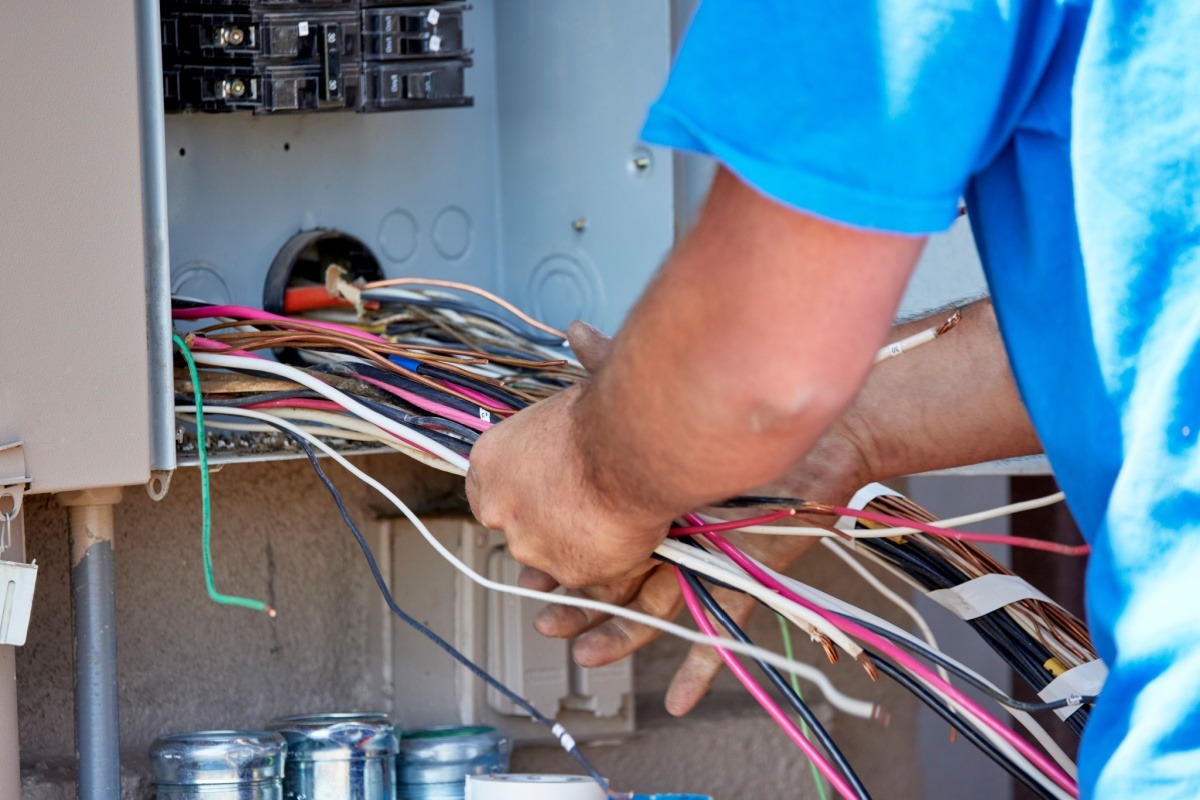
Adding a home generator is a major upgrade that changes how your home handles a power outage. When the lights go out, heat stays on, and critical systems keep running, the value becomes clear. One of the first decisions homeowners face is choosing between professional installation and a DIY approach. While both options may appear viable at first glance, the differences in safety, cost, performance, and long-term reliability are significant.
Understanding What Generator Installation Really Involves
Installing a generator is more than placing equipment outside and plugging it in. A complete system ties directly into your electrical infrastructure and fuel source, and it must operate safely under load.
A properly installed home generator automatically powers on during a power outage and integrates with your panel via a transfer switch. That process involves planning, permits, and a strong understanding of electricity and electrical wiring.
What Goes Into a Full Installation
A complete installation often includes:
- Evaluating electrical capacity and existing circuit breaker layout
- Installing a transfer switch and related switch components
- Connecting fuel lines and exhaust routing
- Running electrical conduit and wire to code
- Testing system performance under load
Each step affects how the generator performs when it matters most.
Safety Risks of DIY Generator Installation
Safety is the biggest difference between DIY installation and professional services. Electricity does not forgive mistakes, and generator systems add complexity due to fuel combustion and automatic operation.
Carbon Monoxide and Venting Concerns
Improper placement or exhaust routing can lead to carbon monoxide buildup. This risk increases when generators are installed too close to windows, doors, or vents. Professionals understand clearance requirements and airflow needs.
Electrical Hazards and Fire Risk
DIY installations often rely on temporary setups, such as an extension cord or improvised connections. These approaches can overload circuits, damage electrical components, or create fire hazards. Incorrect electrical wiring also increases the chance of shock or system failure.
Transfer Switch Errors
A transfer switch isolates generator power from the utility grid. Incorrect installation can backfeed electricity into utility lines, putting utility workers and your home at risk. Licensed electricians install and test these switches to prevent dangerous conditions.
Cost Comparison: Short-Term Savings vs Long-Term Value
DIY installation can look appealing from a cost perspective. Skipping professional labor seems like an easy way to save money. Over time, that choice often leads to higher expenses.
Upfront DIY Costs
DIY projects may still require:
- Tools and materials
- Permit fees
- Replacement parts after mistakes
- Repairs caused by improper setup
Those costs add up quickly, especially if repairs are needed after a failed inspection.
Professional Installation Costs
Professional installation includes planning, labor, inspection coordination, and testing. While the upfront price is higher, the value comes from system reliability, code compliance, and manufacturer warranty protection.
Performance and Reliability During a Power Outage
A generator that struggles to start or carry load during an outage defeats the purpose of backup power. Performance depends heavily on installation quality.
Load Management and System Balance
Professionals size and balance loads so that critical equipment, like a sump pump, heating system, and other appliances, receive stable power. DIY setups often underestimate startup loads and strain the system.
Automatic Operation
A standby generator installed by an electrician activates automatically when utility power fails. DIY systems often require manual steps that delay restoration and increase frustration during stressful situations.
Maintenance and Ongoing Care
Generators are mechanical systems that require regular maintenance to stay reliable. Installation quality affects how easily maintenance can be performed.
Routine Maintenance Tasks
Ongoing care may include:
- Oil changes and oil filter replacement
- Checking coolant levels
- Inspecting spark plug condition
- Verifying fuel delivery
- Testing switch operation
Professional installers design systems with service access in mind, making future maintenance easier.
Inspection and Service Records
Professional services often include scheduled inspection visits and documented service history. These records help track system health and support warranty claims if repairs are needed.
Code Compliance, Permits, and Warranty Protection
Local codes exist to protect homeowners and neighborhoods. Generator installations must meet electrical and fuel regulations.
Permits and Inspections
Professional electricians handle permits and coordinate inspections. DIY installations frequently fail inspection due to wiring, grounding, or clearance issues.
Protecting Your Warranty
Most generator manufacturers require professional installation by a qualified technician. DIY work can void warranty coverage, leaving homeowners responsible for repairs and replacements.
When DIY Makes Sense and When It Does Not
Portable generators used temporarily with extension cords may be suitable in limited situations. These setups typically power a few devices and require constant supervision.
A permanently installed standby generator is a different category entirely. It connects to your electrical panel, runs on a dedicated fuel supply, and operates automatically. That level of integration calls for expert knowledge and experience.
Talk to SMART Electric, Heating & Air About Generator Installation
Installing a generator is a decision that affects safety, comfort, and long-term reliability. At SMART Electric, Heating & Air, our licensed electricians handle every aspect of generator installation with care and precision. From evaluating your electrical system to installing the transfer switch and providing long-term maintenance support, we offer comprehensive services tailored to your home.
If you are considering a standby generator or replacing an existing setup, reach out to SMART Electric, Heating & Air today. Our team is ready to help you plan a safe, code-compliant generator system that delivers dependable backup power when you need it most.