
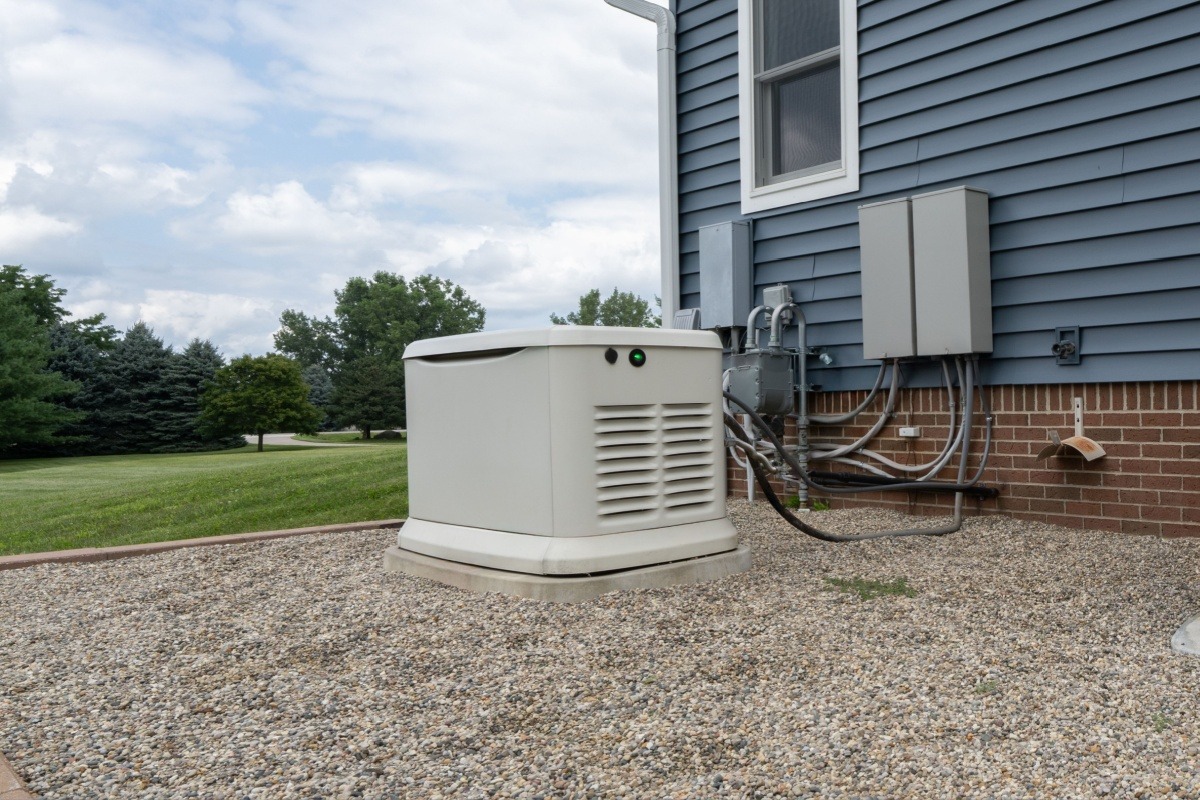
Losing power at home is more than an inconvenience. A power outage can disrupt daily routines, affect comfort, and raise real concerns about safety, heat, and access to water. For homeowners in the Greater Seattle area, storms and grid disruptions make backup planning a smart move. Choosing the right home generator starts with understanding how much power your household actually needs and how a generator system supports it.
Why Generator Size Matters More Than You Think
A generator that is too small may struggle to handle essential equipment during an outage. Meanwhile, an oversized generator can drive up installation costs and long-term maintenance needs. The goal is to match generator capacity to your lifestyle, home layout, and critical systems.
Generator sizing is about balancing comfort, safety, and practicality. The right size allows your home to function normally during an outage without straining the system.
What Happens When a Generator Is Undersized
An undersized generator can cause more problems than it solves. Common issues include:
- Inability to support larger loads, like a furnace or heat pump
- Frequent shutdowns under strain
- Limited access to lighting, electronics, and appliances
- Increased wear on equipment
This often leads homeowners to rely on extension cords or manual workarounds, which compromise safety and convenience.
What Oversizing Can Lead To
Oversizing a generator may sound like a safe bet, but it can bring drawbacks:
- Higher upfront cost for the generator and installation
- Greater fuel consumption
- Increased maintenance over time
A professional assessment helps avoid both extremes and creates a generator system designed for your actual needs.
Start With the Essentials You Want to Power
Before selecting a standby generator, it helps to list what you want powered during an outage. Some homeowners only want critical systems online, while others want near full-home coverage.
Common Essentials Many Homes Prioritize
These items often form the baseline for generator sizing:
- Heating equipment, such as a furnace, to maintain heat
- A sump pump or well pump to manage water
- Refrigeration and kitchen circuits
- Lighting in key rooms
- Internet modem and a laptop for remote work
Every home is different, so this list can expand or contract based on lifestyle.
Whole-Home vs Partial Backup
A whole-home backup solution allows most or all circuits to run automatically. A partial backup focuses on select loads. The choice affects generator size, fuel usage, and overall cost.
Whole-home systems offer convenience and comfort but require careful load calculations. Partial backup systems can still provide strong protection during a power outage while keeping the generator smaller.
Understanding Generator Capacity and Load Calculations
Generator size is measured in kilowatts. The total load depends on how much power your equipment draws at startup and during normal operation.
Running Watts vs Starting Watts
Some appliances draw a higher surge of power when starting. Motors found in pumps, furnaces, and HVAC equipment often need extra capacity at startup. An accurate load calculation accounts for:
- Running wattage of all selected circuits
- Startup surge for motors
- Simultaneous usage patterns
This process avoids overloads and keeps electronics protected.
Why Professional Load Analysis Matters
Online calculators can give rough estimates, but they rarely reflect real-world use. A licensed electrician evaluates your panel, circuits, and usage habits to design a system that works reliably.
Planning for Modern Homes and Electronics
Homes today rely heavily on sensitive electronics. Protecting these devices requires stable power delivery.
Protecting Electronics During an Outage
A properly sized generator delivers clean power that helps protect:
- Computers and a laptop used for work
- Home networking equipment
- Smart home systems
- Charging stations and small electronics
Stable output reduces the risk of damage during startup and load changes.
Installation, Service, and Long-Term Planning
Choosing the right generator size goes hand in hand with professional generator installation and ongoing service.
Installation Factors That Affect Generator Choice
Several site-specific details influence generator selection:
- Available space for equipment
- Local code requirements
- Noise considerations
- Ventilation and exhaust routing
These details impact generator placement and final sizing.
Maintenance and Ongoing Service
Routine service keeps a generator ready when it matters most. Regular inspections, testing, and fuel checks help extend system life and reliability.
Get Expert Help From SMART Electric, Heating & Air
Choosing the right generator size involves more than numbers on a chart. It takes real-world experience, careful planning, and attention to how your home actually uses power. At SMART Electric, Heating & Air, our team helps homeowners design generator solutions that match their homes, priorities, and budget.From initial consultation to installation and ongoing service, we handle every step with care and professionalism. If you are planning for the next power outage or need other electrical installation services, reach out to SMART Electric, Heating & Air today to schedule a generator assessment and explore options that fit your home.